Overview
Juneteenth—also known as Freedom Day, Jubilee Day, Liberation Day, and Emancipation Day—is the
oldest known celebration
of the end of slavery in the United States. It has been celebrated every year since June 19, 1865.
On that day—over two months after General Robert E. Lee surrendered to General Ulysses S. Grant, ending the US Civil
War—2,000 Union troops led by General Gordon Granger arrived in Galveston, Texas to deliver
General Order Number 3, announcing that “in accordance with a proclamation from the Executive of the United States, all slaves are
free.”
This was referring to the
Emancipation Proclamation, in which President Abraham Lincoln declared as of January 1863, “all persons held as slaves within any State…in
rebellion against the United States, shall be then, thenceforward, and forever free.”
This meant that enslaved people held in Confederate territory, including Texas, had been legally freed. Unfortunately,
the proclamation was not properly enforced until after the end of the Civil War. This meant freedom was delayed by more than two and a half years for more than 250,000 people in the westernmost
Confederate territory.
Juneteenth therefore marks the day that the intent behind the Emancipation Proclamation was finally realized. Several
months later, in December 1865, slavery was also officially abolished in the former Union territories with the
ratification of the
13th amendment
to the US Constitution, which made the policy national.
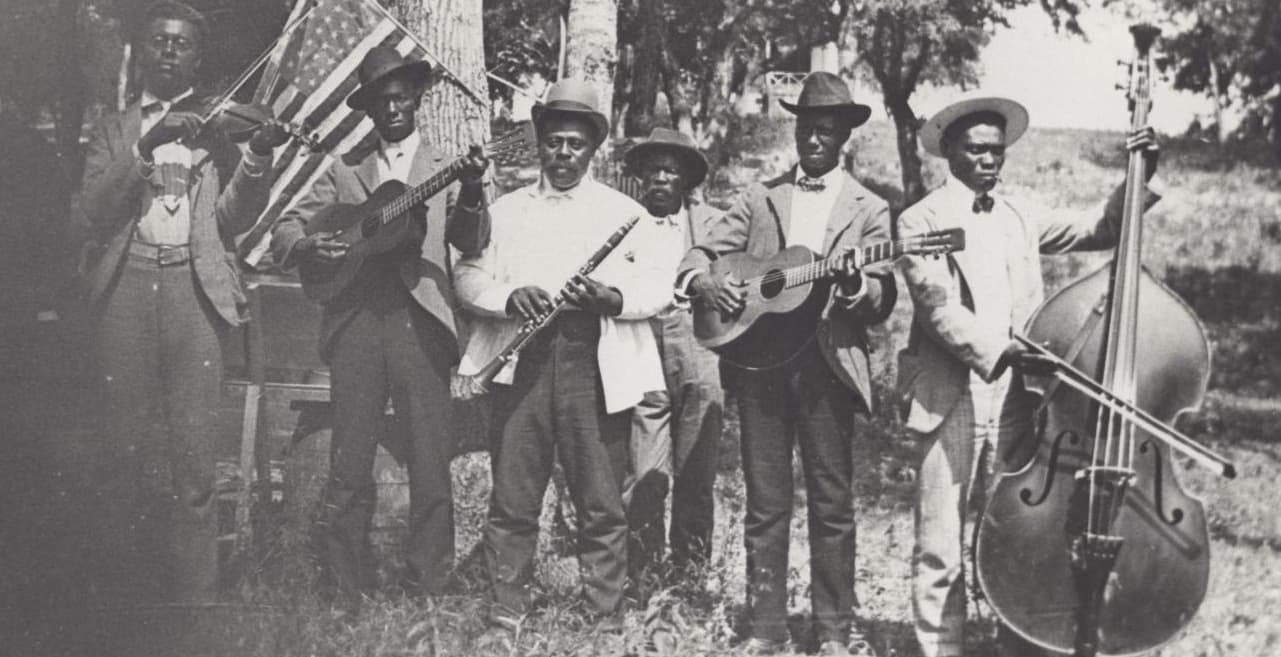 Emancipation Day Celebration band, June 19, 1900, Texas, USA Photographer noted as: Mrs. Charles Stephenson (Grace Murray)
Early Juneteenth celebrations featured music, dancing, storytelling, and food. They also often also served as voter registration events where “freedmen” could learn more about their new rights as citizens. Juneteenth festivities were not just a way to celebrate an
anniversary, but were also acts of resistance throughout the South, where many people remained fiercely opposed to
emancipation after it was granted. Celebrations also spread across the country as Black people moved north and west
during the Great Migration.
Since 2021, Juneteenth has been recognized as a federal holiday, and the annual celebrations continue to provide an opportunity for Black Americans to tell positive stories about
their history, create an enduring cultural legacy, and chart a path forward. Learning about Juneteenth is part of a
broader education of the practice, impact, and legacy of slavery that speaks to
Black history
in this country—and therefore American history at large.
Below, you can find teaching and learning resources about Juneteenth for families, students, and educators to use.
While these materials are particularly relevant on June 19, we hope you continue to use them throughout the year.
Events, Exhibitions, and Places to Visit
Join us in celebrating Juneteenth all across New York City this month:
- Celebrate at the 17th Annual Juneteenth NYC Festival and Parade in Brooklyn on Saturday, June 20!
- Head to the Seneca Village Juneteenth Celebration in Central Park on Friday, June 19 at 1PM for a free, family-friendly day filled with dance, music, art-making, comedy, and more!
- Mark the 161st anniversary of Juneteenth at Green-Wood Cemetery on Friday, June 19 at a free event for the whole family that honors the heroes and leaders of Black history who are buried there.
- Learn about the history of this holiday at the Annual Juneteenth Celebration in Battery Park! Join in on family friendly activities on Friday, June 19 from 11:30AM–2:30 PM, including a hip hop and soul line dancing workshop with Go Hard Dancers and history, horsemanship, and riding with the Federation of Black Cowboys.
- Check out even more events happening in celebration of Juneteenth at NYC Parks and at New York Public Library, Brooklyn Public Library, and Queens Public Library branches across the City.
Reading List
Frederick Douglass once said, “Once you learn to read, you will be forever free.” Celebrate the spirit of Juneteenth with book suggestions for students of all ages about the history of the holiday, the Reconstruction era in the United States, and more. We hope you will enjoy and learn from them today, and all year long.
Early Readers (3-K–Grade 2)
- All Different Now: Juneteenth, the First Day of Freedom, by Angela Johnson; illustrated by E.B. Lewis
- A Flag for Juneteenth, by Kim Taylor
- Juneteenth for Mazie, by Floyd Cooper
- Juneteenth Jamboree, by Carole Boston Weatherford; illustrated by Yvonne Buchanan
- The Night Before Freedom: A Juneteenth Story, by Glenda Armand; illustrated by Corey Barksdale
Elementary (Grades 3–5)
- Come Juneteenth, by Ann Rinaldi
- Heart and Soul, by Kadir Nelson
- Juneteenth, by Vaunda Micheaux Nelson and Drew Nelson; illustrated by Mark Schroder
- Opal Lee and What it Means to Be Free: The True Story of the Grandmother of Juneteenth, by Alice Faye Duncan; illustrated by Keturah A. Bobo
- The Juneteenth Cookbook: Recipes and Activities for Kids and Families to Celebrate, by Alliah L. Agostini with Taffy Elrod; illustrated by Sawyer Cloud
Middle School (Grades 6–8)
- Dark Sky Rising: Reconstruction and the Dawn of Jim Crow, by Henry Louis Gates, Jr. with Tonya Bolden
- Freedom Over Me, by Ashley Bryan
- Hidden Black History: From Juneteenth to Redlining, by Amanda Jackson Green
- Stamped (For Kids), by Jason Reynolds and Ibram X. Kendi
- The Story of Juneteenth: An Interactive History Adventure, by Steven Otfinoski
Upper Grades (Grades 9–12)
- Black Was the Ink, by Michelle Coles
- Crossing Ebenezer Creek, by Tonya Bolden
- Dread Nation, by Justina Ireland
- My Name is Not Friday, by Jon Walter
- We Are Not Yet Equal, by Carol Anderson with Tonya Bolden
Many of these books are readily available via New York’s public libraries, as well as through NYC Public Schools Citywide Digital Library on Sora, where you can also find even more great suggestions for students of all ages in the “Celebrate Juneteenth” collection, which features dozens of titles to choose from.
Video and Audio Resources
- "More Than a Brook: Brooklyn Abolitionist Heritage Walk” is an interactive audio tour created by Kamau Studios and Black Gotham experience that is available on the NYC Landmarks Preservation Commission website. It explores Brooklyn’s history as a critical neighborhood for the National Abolitionist Movement and the Underground Railroad.
- Juneteenth Jamboree on PBS explores the history of Juneteenth celebrations through multimedia.
- This Is Why Juneteenth is Important is a short video from The Root explaining the history and significance of the holiday.
- “The History and Meaning of Juneteenth” from the New York Times podcast The Daily is a 2020 episode featuring a discussion about emancipation with Dr. Daina Ramey Berry, a professor of history at the University of Texas at Austin.
Resources for Educators
- NYCPS’s Juneteenth Resource Guide has a wide range of materials to use in the classroom, during Juneteenth and throughout the year, for students of all ages, including lesson plans, discussion questions, and primary sources that teach about the history and meaning of the holiday.
- In addition, check out our InfoHub page on Fostering Ongoing Dialogue and Action About Race and Equity.
- You can also check out our Hidden Voices Curriculum Guides, available on WeTeach, for profiles of history-making individuals whose stories are often left out of traditional historical narratives. During Juneteenth, you may be especially interested in the Hidden Voices of the Global African Diaspora Volume 1 and Volume 2.
- Explore educator resources from the Schomburg Center including archival materials, primary sources, and discussion guides that focus on Black History for middle and high school students.
- Check out resources from the Smithsonian’s National Museum of African American History and Culture.
- The Gilder Lehrman Institute has several lessons available for grades 6–12 available through their Juneteenth and Emancipation units. These lessons teach students about the historical significance of Juneteenth through analysis of primary sources.
- The Library of Congress has collections of primary and secondary sources that teach about the history of the Juneteenth holiday.