


Math
Celebrate Math Week 2026!
See how you can participate →Games and Puzzles
 Queens
Finance
 Staten Island
Architecture
 The Bronx
Cooking
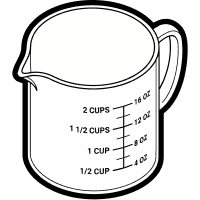 Manhattan
Sports
 Brooklyn
What math do students learn in school?
The New York State Next Generation Mathematics Learning Standards outline what math knowledge and processes students should be able to do at each grade level, from kindergarten through grade 12.
New York City Public Schools (NYCPS) is committed to building a strong foundation in math for every student, following the framework established by the New York State Education Department. Our students use NYC Solves. Following a unifying set of evidence-based, high-quality curricula, well-trained and strong educators teach students to develop critical math skills. The goal is for students to become skilled mathematicians equipped for a lifetime of success.
How can students engage with math outside of school?
Math can be found all around us! We estimate the time it takes to travel, calculate the total cost of our shopping, and measure ingredients when cooking with our family and loved ones. Students and families work on solving problems with critical thinking, sharing their thought processes, and using their skills to build and deepen understanding. Math doesn't just live in the classroom, it's all around us!
Here are some fun ways you can incorporate math learning into your family's everyday life.
Math Fluency Guides and Activities
Board games like Monopoly, Clue, Chutes and Ladders, and many others provide practice in math skills, computation, and logical reasoning. Card games like Twenty-One and Hearts will give your child opportunities to practice basic computations.
Kindergarten
First Grade
Second Grade
Third Grade
Fourth Grade
Fifth Grade
Cooking
Following steps, using fractions and ratios, and measuring quantities are just a few of the skills we use to make even basic recipes. And when you cook together you get to create delicious food with your child–try a family recipe or start your own!
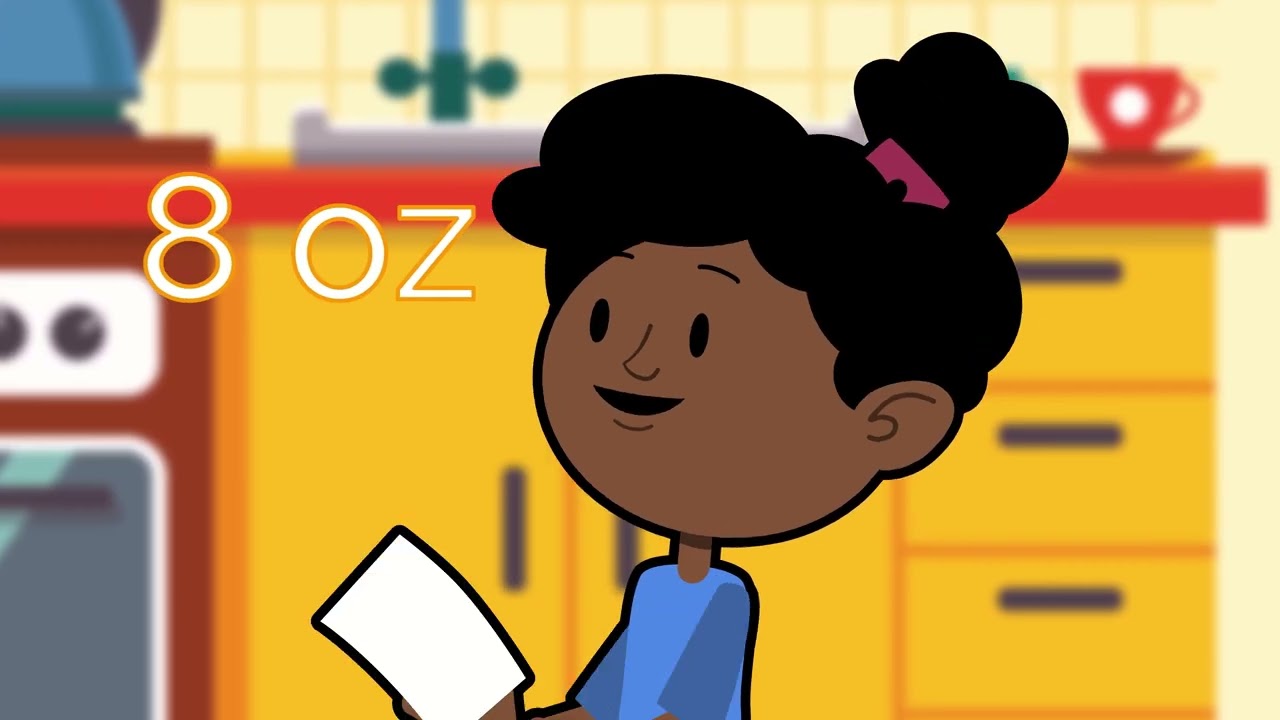
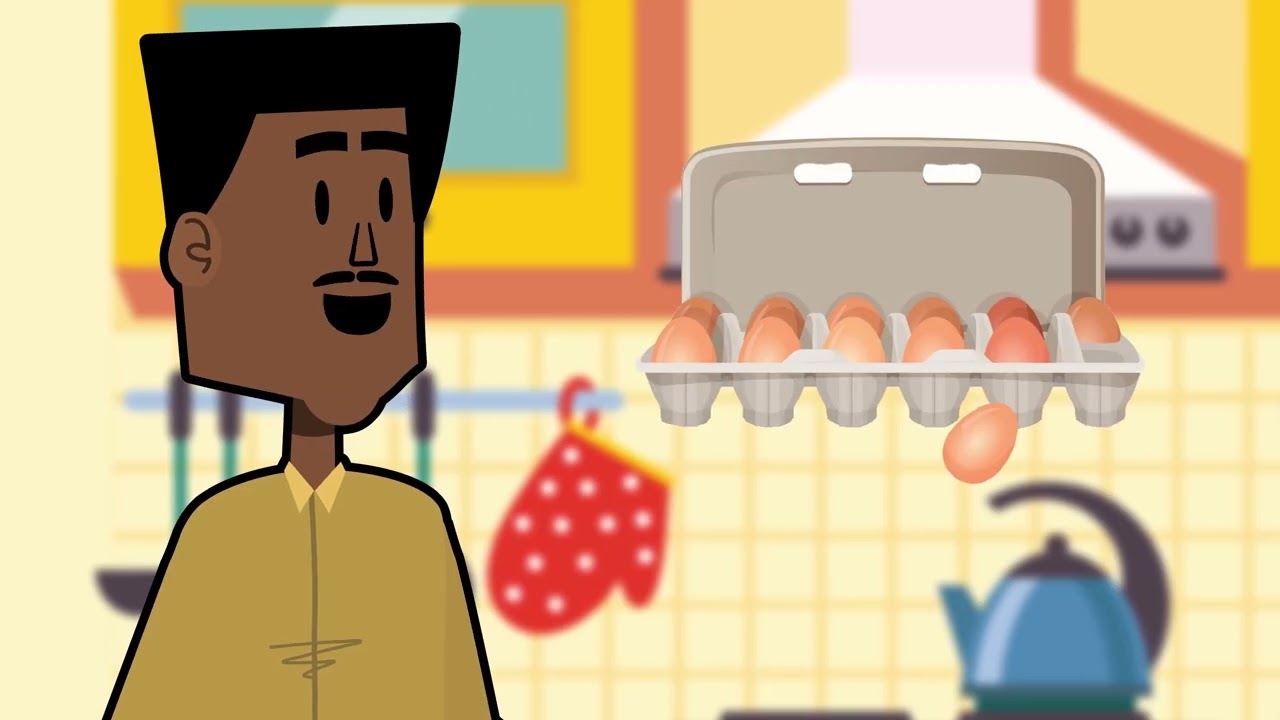
- Binging with Babish - YouTube
- J. Kenji López-Alt - YouTube
- New York Times Cooking - YouTube
- Bon Appétit - YouTube
Shopping
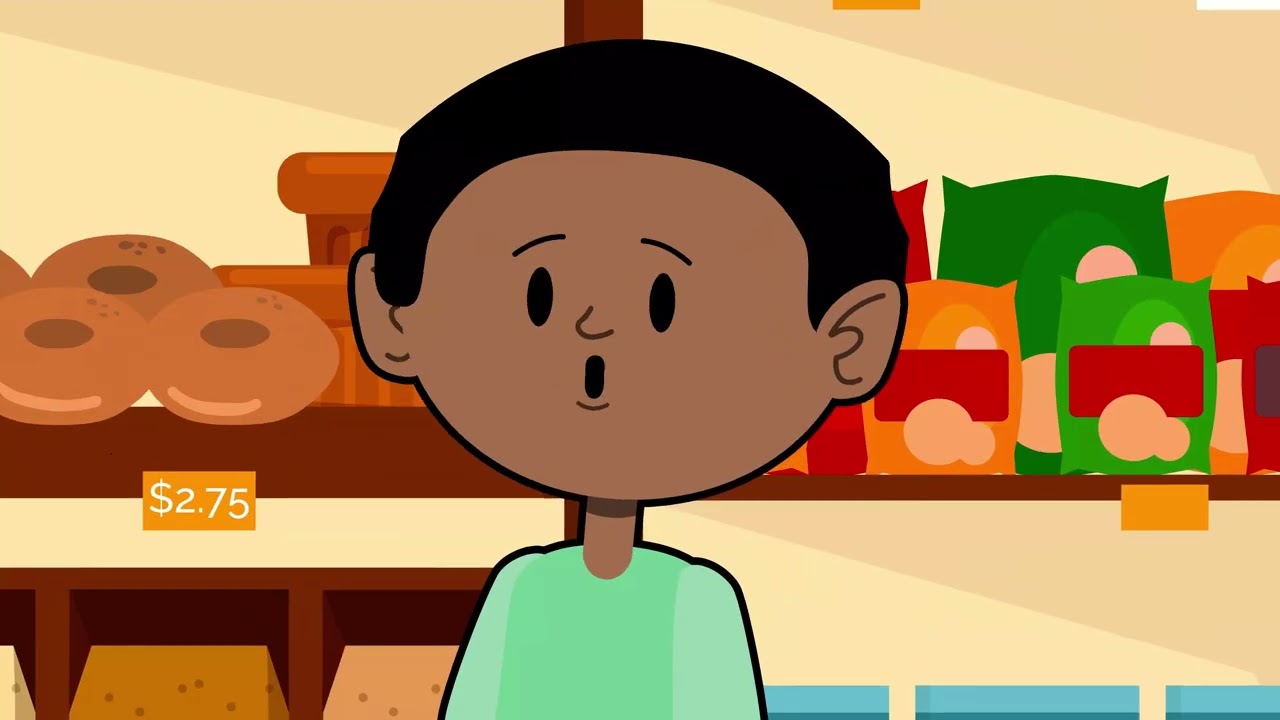
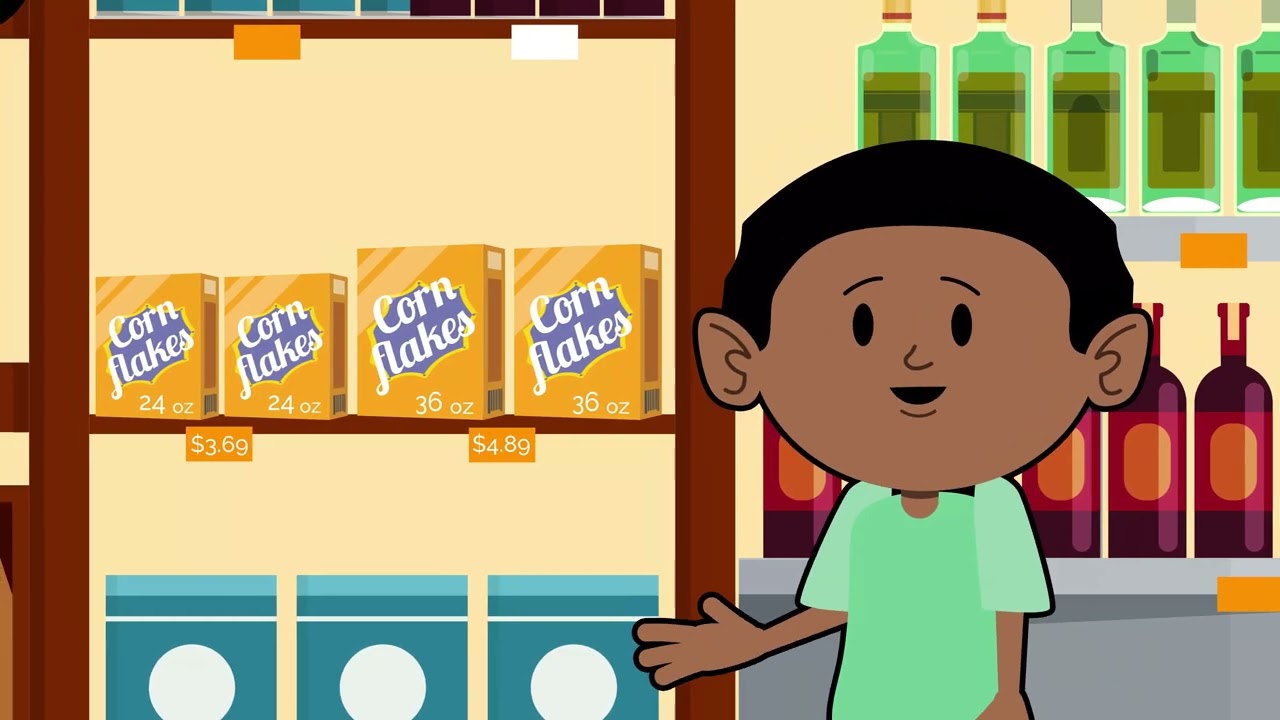
As you shop, encourage your children to look at sizes, weights, capacity, and liquid measurements. Ask your child to:
- Find the largest container of milk and explain why it holds more than the other containers
- Compare the size and cost of two or more items to determine the best value
- Count the number of items in your cart
- Estimate the cost of the items
- Figure out how much money to expect back in change
Numbers and Shapes
Numbers and shapes are all around us! Look for numbers and shapes in the environment (addresses, sports statistics, weather forecasts, license plates, prices, signs) and talk about what they mean and how they are used.
Estimation
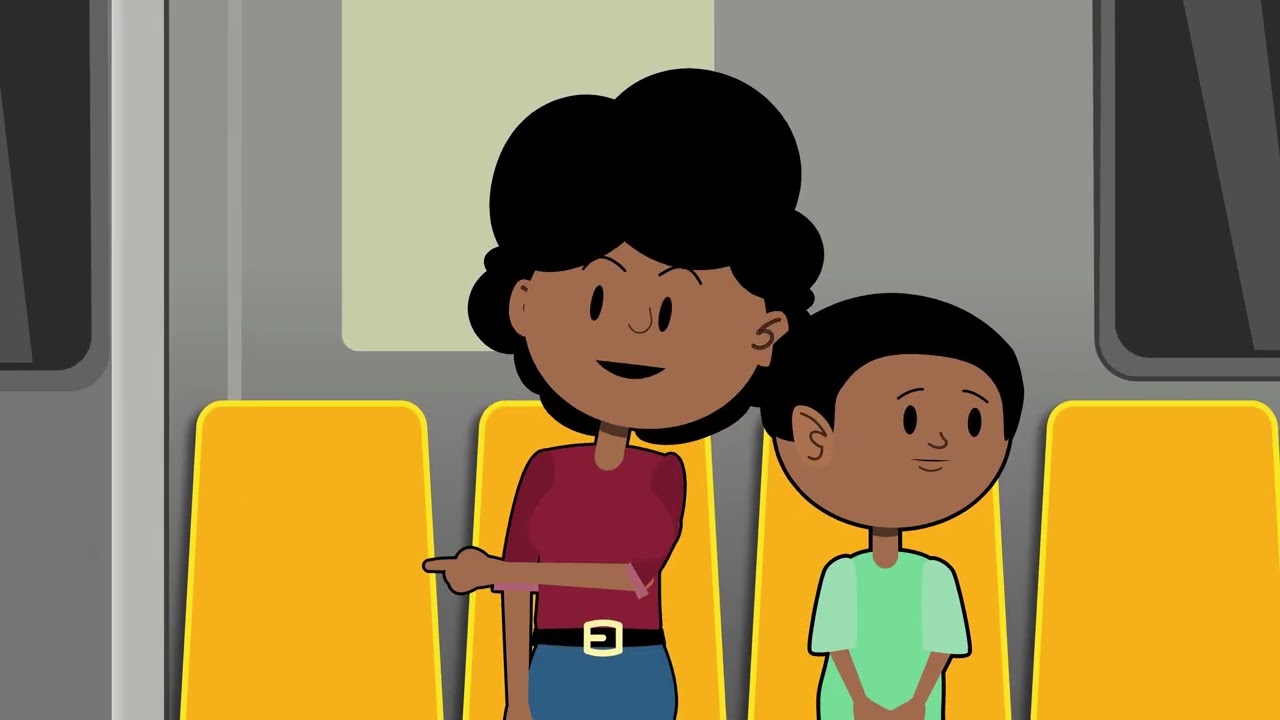
Explore time by asking questions like: How long will it take to ride the train to your stop? How long will each stop take? What changes if your train gets delayed?
Ask them to name an activity that they think will take less than five minutes, then try it and see how close their guess was. Don't forget to notice the time you start and end each activity so that you can see how long it lasted; this will help children understand the passage of time.
Estimation and critical-thinking problems for home: How many windows do you think exist in New York City? What common New York City item do you think weighs more than a single, subway train car?
Puzzles and Origami
Puzzles help develop spatial skills. Being able to notice shapes and patterns in puzzles will allow your child to easily pick up geometry concepts taught in school.
Origami (the Japanese art of paper folding) strengthens awareness of shape and symmetry and also requires children to follow directions in sequential order.
How to support budding mathematicians
Use our guides to understand what math fluency is and what it looks like in class. You can support your child at home by making math a fun part of family time. Playing math games and solving problems together can increase your child's confidence while creating meaningful opportunities to bond.
When they're struggling
Avoid sending the message that it is okay to give up or that you think that your child isn't capable of doing well in math.
What to say
I believe in you even though math can be hard sometimes.
Struggle is the way we learn. Everyone struggles sometimes.
Avoid saying
I wasn't good at math either.
I'm not a math person either.
A good environment to learn in
A defined work space can be a crucial part of establishing a remote learning routine. This will help your child separate home and school life and focus on remote learning.
What to do
Make a designated space for them to do their work.
Do not
Allow using the bed as a workspace. Concentrating and staying awake may become difficult, and studying in bed can make it harder for them to sleep at night.
While your child is doing math, remove environmental distractions. Mathematics requires concentration.
What to do
Provide your child with headphones to help block out distractions and give them privacy.
Do not
Have the TV on.
Walk through the problems
Talk to your child about the math that they are working on. Avoid telling your child how to answer math questions or giving them steps to follow. Children learn best when they have the opportunity to think about what they are doing rather than memorize procedures that they may not understand.
What to say
How did you figure that out?
How do you know if your answer makes sense?
Avoid saying
This is how you do it...
Talk through their thinking to help them develop mathematical understanding. Getting the answer is important, but it is not the only thing that matters. Children must take time to understand why their answers make sense.
What to say
Take your time. How did you think about the problem?
Avoid saying
This is right.
This is wrong.
Be patient with your child while doing math. Avoid showing agitation or frustration when your child is working on mathematics. Experiencing anxiety when kids don't understand is inevitable, but rarely leads to a breakthrough. When you remain calm, you can help your child persevere through the challenge.
What to do
Take a short break if you or your child feel frustrated or stuck.
Do not
Rush your child through the problems because you are pressed for time or their homework is due.
Avoid imposing your way of doing math on your child. The teacher may be asking for your child to learn different ways of doing math that will help support their understanding of math rather than just getting the answer.
What to say
How did your teacher show you how to do this problem?
Avoid saying
Do it this way, it's easier.
Act out the math
Acting out the mathematics and using your hands to learn is a crucial part of learning, and even professional mathematicians use objects when working out a new idea. Try to provide materials for your child to use to help with math.
What to do
Purchase or create materials at home. Some basic materials could be counters, color tiles, Unifix cubes, etc.
Do not
Say that using physical objects to understand math is a crutch or only for young children.
Encourage questions
Knowing what to ask is a math skill and often more useful in the long run than the answer itself. The more specific the question, the better your child's teacher will be able to understand and address the specific issue.
What to do
Help and encourage your child to write down a question for their teacher when they are confused about something.
Do not
Give your child the answer.
Math Week
It's time we revolutionize mathematics by turning our attention to the fun and joy surrounding anything and everything with math! During the week of Monday, October 19 to Friday, October 23 we will be celebrating the inauguration of Math Week. During this week, K-12 schools across the City will celebrate the powerful critical-thinking and joy for the exploration of Math!
Schools across the City will celebrate everything that math has to offer and the importance of thinking outside of the equation. Each year Math Week will be a celebration of doing math, sharing resources, visiting school communities to highlight the already amazing work, and growing the deeply rooted partnerships found in New York City Public Schools.
October 19 – October 23, 2026
The five-days of math week will focus on elevating a different borough through classroom visits and community activities based on that day's theme.
- Monday, October 19 – Games and Puzzles – Queens
- Tuesday, October 20 – Finance – Staten Island
- Wednesday, October 21 – Architecture – The Bronx
- Thursday, October 22 – Cooking – Manhattan
- Friday, October 23 – Sports – Brooklyn
Each morning of Math Week will begin with a Problem of the Day that students, families, classes, and even whole school communities can participate in.